 Photoshop
 Maya
Maya ZBrush
 Houdini
 Substance Painter
 Blender
 Arnold
 Nuke
Nuke KeyShot
 V-Ray
V-Ray Marvelous Designer
 Mari
Mari Marmoset Toolbag
 Substance Designer
 3ds Max
 Redshift
 3D Coat
 Lightroom
 Faceform Wrap
 After Effects
 Octane Render
 Speed Tree
 Daz3D
Daz3D Reality Capture
 Agisoft Metashape
 Modo
Modo Fusion
 Gravity Sketch
 Gaea
Gaea Premiere
 Cinema 4D
 Procreate
 Katana
 Quixel DDO
 Mudbox
 Mixamo
 SketchBook Pro
 SketchUp
 Adobe Medium
 Clip Studio Paint
 Natron
 Quixel Bridge
 Quixel Megascans
 Quixel Mixer
 Substance 3D Modeler
 World Creator
 Yeti
Yeti Ziva VFX
 Massive
 Materialize
 TreeIt
 Ornatrix
 PreForm
 SynthEyes
 Corel Painter
 QuickTime
 StoryboardPro
 xNormal
 animBot
 Unity
Unity ReCap
ReCap MeshMixer
 Gaffer
 DaVinci Resolve
 World Machine
 Krita
Krita
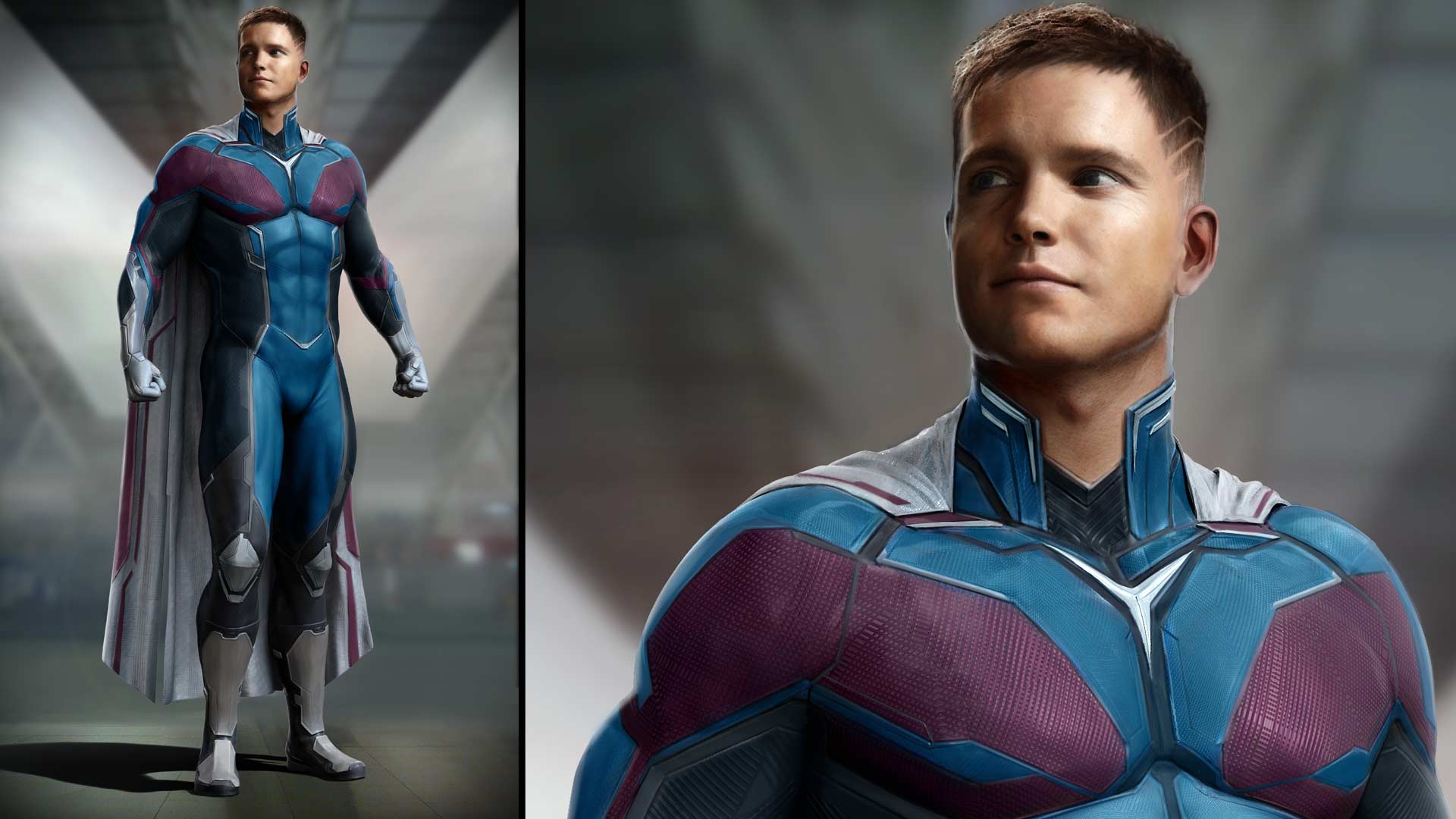
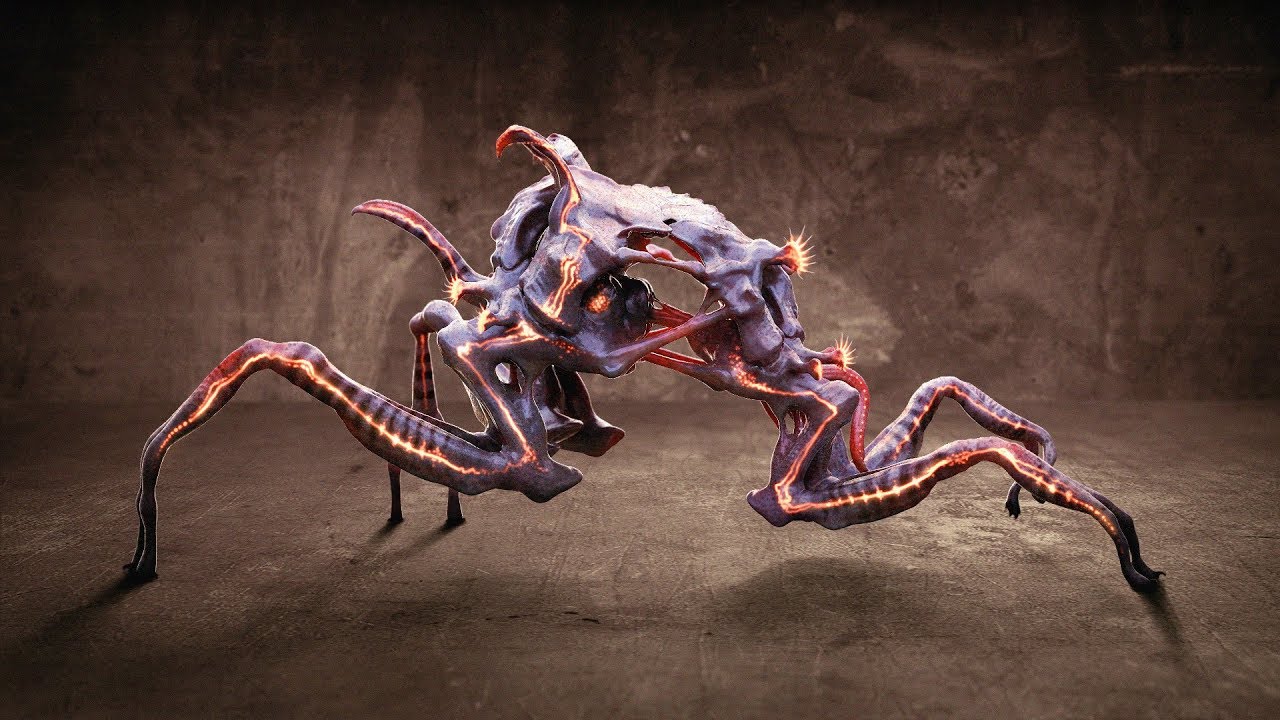
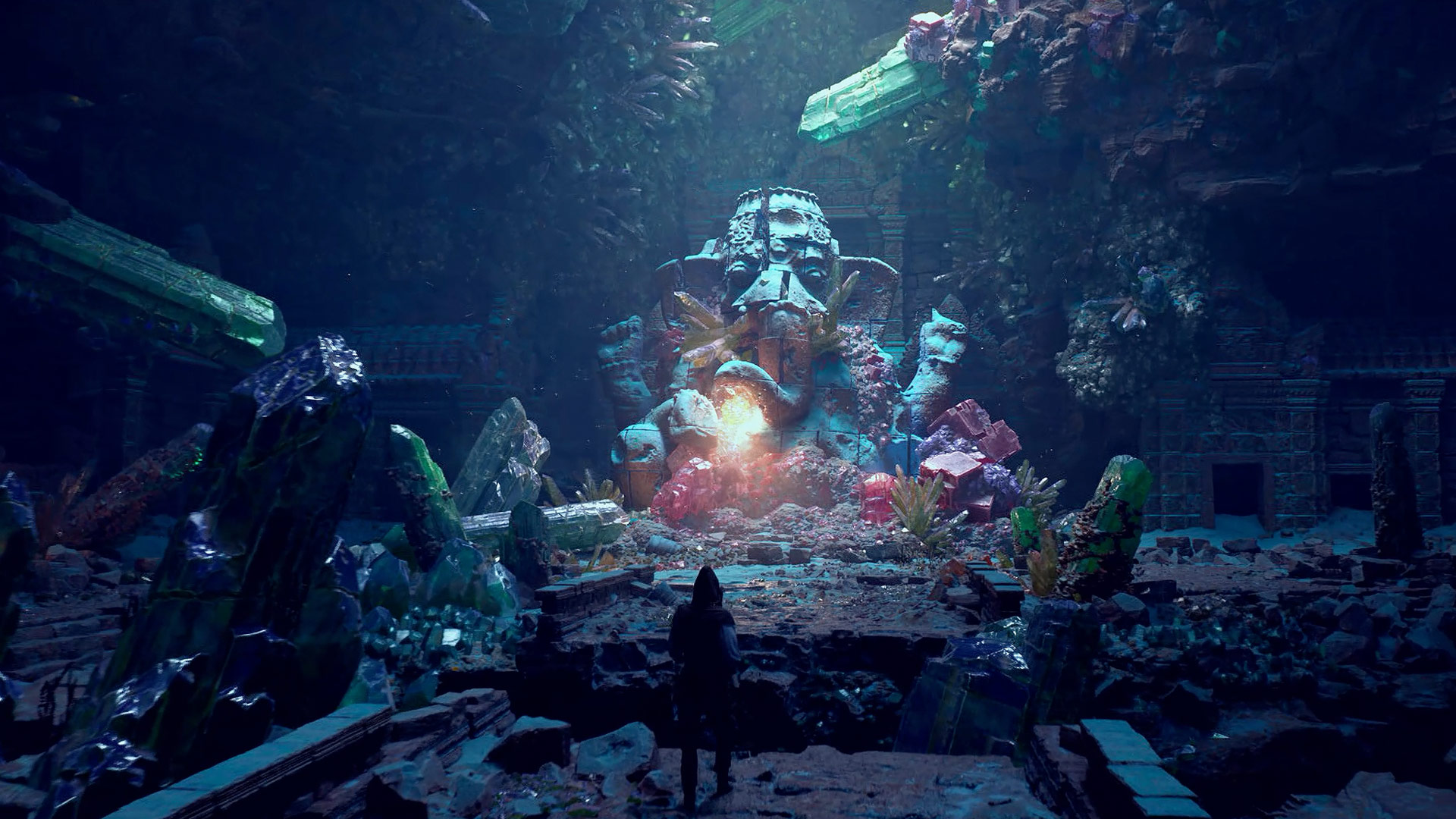
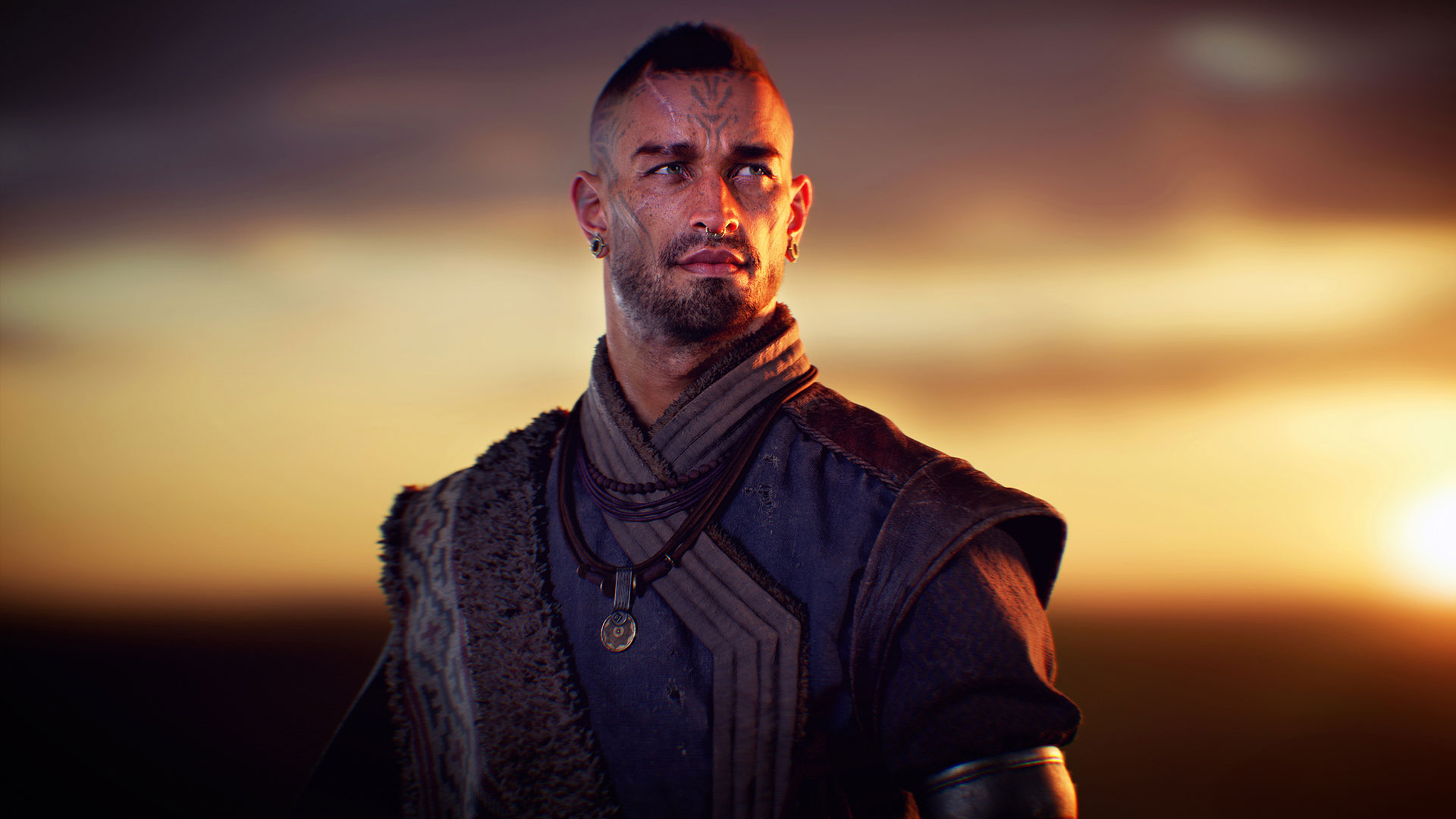

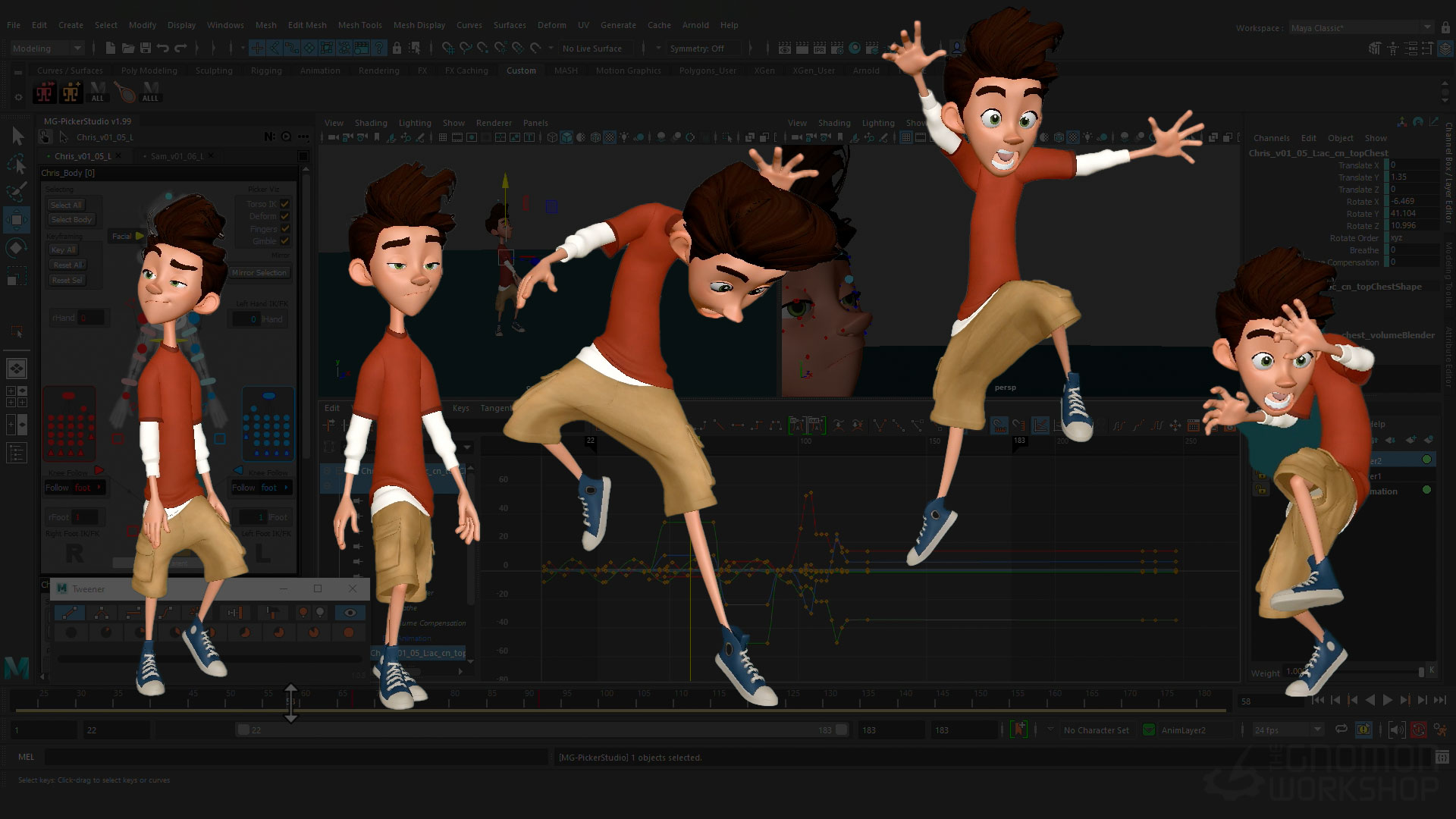





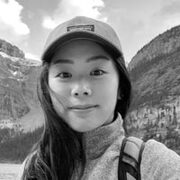



In this tutorial Senior Character/Creature Modeler Crystal Bretz takes you through her entire workflow for creating a stylized female character. Using a concept supplied by Angel Ganev, she shares the entire process for translating a 2D concept into a 3D character. This workflow includes a look inside the techniques used for Modeling, Texturing, Groom, and Lookdev. The first topic in this tutorial is how to start and plan a project and what steps to take to ensure your success and completion.
Starting with the base mesh supplied we will sculpt the body in ZBrush and move on to modeling props in Maya and talk about techniques and workflows along the way. After creating the base body, we will use it to create clothing in Marvelous Designer and show methods for retopology and detail transferring. Crystal will continue to talk about UV layout to optimize your results and ease your texturing process within Mari and also give a brief overview about posing your character in Zbrush.
We will go through the entire groom process with Xgen and speak about modifiers, painting maps, stray hairs and applying a texture to your clothing fuzz. This tutorial will conclude with a section on the Lookdev and setting up your render layers for your final output. The goal of this tutorial is to help you understand the process for creating a stylized character from start to finish with a great final result.
44 Lessons
Crystal introduces her workshop, which offers intermediate 3D artists an opportunity to learn stylized character creation from an industry professional with substantial film and TV experience. Her approach emphasizes the importance of versatility in both realistic and stylized work for character artists. She explains how she will share practical, production-level techniques while providing helpful resources to get started with the character modeling process.
Duration: 1m 23s

Successful project completion relies heavily on thorough preparation rather than jumping directly into production. By investing time upfront in planning, reference gathering, scheduling, and technical preparation, artists can learn how to maintain motivation, avoid common pitfalls, and produce higher-quality work. Crystal's emphasis on realistic time management — particularly allocating sufficient time for texturing and building in buffer days — addresses the common issue of abandoned personal projects, making this approach valuable for both personal work and professional freelance projects.
Duration: 17m 15s

This lesson emphasizes a methodical approach to character sculpting that prioritizes proper proportions and clean topology over premature detailing. The key takeaway is to be patient, allowing the model to look rough initially while focusing on foundation work, then progressively refining it once the base structure is solid. By learning how to balance stylized artistic choices with anatomical principles and maintain smooth surfaces throughout, artists can create appealing stylized characters that feel both unique and believable.
Duration: 15m 3s

Creating hair proxies is an essential step in character production pipelines, providing crucial volume and placement guides for grooming artists. While the process may seem rough initially, learning how to use the proper combination of ZBrush tools and working methodically from low to high detail yields professional results. This blocking phase bridges the gap between character modeling and final hair creation, ensuring proper proportions and artistic direction are established early in the pipeline.
Duration: 9m 14s

This lesson demonstrates a methodical approach to sculpting stylized hands that balances artistic appeal with technical efficiency. Crystal explains why the key is to work systematically from low to high resolution while deliberately exaggerating anatomical features to compensate for subsurface scattering effects. By understanding when to add detail and when to maintain simplicity, and by planning ahead for downstream processes, such as nail creation in Maya, artists can learn how to create appealing stylized hands that complement the overall character design without becoming overly realistic or masculine.
Duration: 9m 55s

This lesson highlights an important technical workflow step in ZBrush for character artists. Crystal's emphasis on using the folder organization feature demonstrates best practices for maintaining a clean project structure, which is increasingly important in complex character-creation pipelines. Learning proper export organization at this stage saves time and reduces confusion in subsequent modeling, texturing, or rigging phases.
Duration: 1m 19s

This lesson effectively demonstrates professional hard-surface modeling techniques in Maya, emphasizing that good modeling is a methodical process built on strong foundation work. Crystal's approach of proxying first, then refining details, combined with the strategic use of Maya tools such as symmetry and deformers, creates an efficient workflow. Her consistent emphasis on organization and clean topology teaches industry-standard practices that distinguish professional-quality modeling from amateur work.
Duration: 16m 59s

This lesson provides a straightforward approach to modeling a cigarette in 3D, emphasizing the importance of clean topology and proper scene organization. Crystal's methodology focuses on creating geometry that can be further refined through sculpting while maintaining technical best practices. She wraps up by explaining the importance of proper naming and organization, which are key elements of a professional 3D modeling workflow.
Duration: 1m 46s

This lesson provides a comprehensive workflow for creating detailed, production-ready shoe models with emphasis on proper topology and efficient modeling techniques. The focus is on how thoughtful polygon management throughout the process (maintaining even distribution, deleting unseen faces, and timing subdivision appropriately) results in models that are optimized for rendering, deformation, and potential sculpting work. Crystal's methodical approach of building from a proxy to a detailed model, while constantly checking multiple camera views, ensures accuracy and professional results.
Duration: 21m 8s

This lesson lays the foundation for creating realistic clothing in Marvelous Designer by ensuring proper character import and careful bounding volume setup. The key to success is learning to maintain correct scale throughout the pipeline and to precisely position bounding volumes to match the character's anatomy, preventing simulation errors and allowing fabric patterns to drape naturally without penetrating the character model.
Duration: 3m 52s

This lesson provides a comprehensive workflow for digital clothing creation that mirrors the principles of real garment construction. The key to success is learning iterative adjustments using simulation feedback, proper point management to avoid unnecessary complexity, and maintaining organized file versions for future editing. The techniques demonstrated for pants can also be applied to create any garment piece for character wardrobes.
Duration: 12m 6s

This lesson provides a methodical approach to retopologizing Marvelous Designer clothing while maintaining clean, quad-based topology and consistent UV layouts. Crystal's lattice-based technique provides flexibility during retopology, while blend shape verification ensures accurate edge matching before final assembly. By leveraging symmetry and careful edge-count planning, her method streamlines what would otherwise be a tedious technical process, yielding production-ready clothing geometry suitable for animation and rendering.
Duration: 12m 43s

This lesson provides an efficient pipeline for converting Marvelous Designer clothing into production-ready assets with clean topology and preserved detail. By using UV-based transfer methods and modeling seams directly into the geometry rather than relying entirely on sculpting, artists can learn how to achieve professional results for stylized characters while minimizing cleanup work in ZBrush. Crystal explains why the key is maintaining organized topology throughout the process and adding important details like buttons and buttonholes with proper reference to ensure realistic results.
Duration: 11m 17s

This lesson demonstrates an efficient workflow for creating character fingernails, progressing from base geometry to refinement across multiple software applications. Crystal's approach emphasizes building a solid foundational topology first, then leveraging specialized tools like ZBrush for detailed sculpting. Her multi-stage process allows for faster initial modeling while reserving time-intensive detailing for the appropriate software environment.
Duration: 1m 31s

This lesson emphasizes the importance of proper workflow sequencing in 3D character creation; specifically, completing major shape adjustments before UV mapping to maintain clean topology. Crystal demonstrates that final polish details, like proper hat fitting and realistic nail placement, significantly elevate the quality of stylized characters. By maintaining consistent artistic direction and using appropriate tools for each surface type, artists can achieve professional results that balance stylization with believable form.
Duration: 7m 26s

This comprehensive UV-unwrapping lesson demonstrates professional techniques for efficiently organizing a character model's texture space. Crystal emphasizes the importance of balancing optimization with practicality, including strategically hiding seams, leveraging symmetry to reduce workload, and making informed decisions about material separation based on project requirements. Whether working on personal projects where UV space optimization matters or production work where material separation takes priority, understanding these fundamental principles ensures clean, distortion-free textures that hold up under rendering and animation.
Duration: 16m 41s

This lesson provides a comprehensive workflow for creating stylized character eyes with proper topology and realistic optical properties. Crystal's emphasis on quad-based geometry, anatomically inspired shapes for light refraction, and strategic UV layout demonstrates professional 3D modeling practices. By using higher-resolution textures for the eyes and efficiently mirroring geometry, her technique balances visual quality with production efficiency.
Duration: 6m 32s

This lesson demonstrates a critical intermediate step in character creation: the intersection of proper UV mapping and final sculpting preparation. By carefully importing UV-mapped geometry back into ZBrush at the lowest subdivision levels and organizing assets systematically, artists can learn how to create a clean foundation for posing and texturing. Crystal explains why this is the optimal time for final sculpting touches since the UVs are locked in and won't be disrupted by further modifications.
Duration: 3m 47s

This lesson demonstrates a professional, non-destructive approach to character posing in ZBrush. By working systematically from symmetrical to asymmetrical adjustments, using proper masking techniques, and maintaining organized file versions, artists can achieve complex character poses while preserving detail and enabling corrections. Crystal discusses why the key is to work methodically at low resolution, then transfer the final pose to high-resolution geometry for export.
Duration: 8m 23s

This lesson represents industry-standard practice for maintaining data integrity when transferring models between software packages. While personal projects can skip these steps and directly import posed geometry, professional production requires preserving vertex order and naming conventions to avoid downstream issues with rigging, animation, and other technical processes. The extra time invested in this methodical approach ensures a clean, production-ready asset that can move smoothly through the pipeline.
Duration: 6m 1s

This lesson establishes a foundational workflow for texturing multiple related assets in Mari, emphasizing the importance of proper initial setup. By starting with a standardized Arnold shader configuration and neutral 50% gray values across all objects, Crystal demonstrates how artists can ensure accurate lighting evaluation and consistent material development. Her methodical approach creates an organized framework that streamlines the subsequent texture painting process.
Duration: 4m 26s

This lesson showcases a professional, mask-based texturing workflow that prioritizes organization and flexibility. By creating comprehensive masks upfront and maintaining a well-structured node graph, artists can learn how to efficiently texture complex characters while retaining the ability to make adjustments later in the process. Crystal's methodology is industry-standard and adaptable to different studio pipelines and personal preferences.
Duration: 6m 20s

This lesson emphasizes an efficient, non-destructive texturing workflow in Mari that prioritizes organization and reusability. Crystal's approach of starting simple with masks and procedural textures, then selectively adding hand-painted details only where necessary, helps artists work smarter rather than harder. Her techniques — particularly the mask extraction and patch copying methods — can significantly reduce texturing time while maintaining high-quality results across symmetrical or repeating clothing elements.
Duration: 14m 50s

This lesson emphasizes a mask-based workflow that prioritizes flexibility and realism in character texturing. By combining technical solutions such as triplanar projection with artistic expertise in makeup application and skin tone variations, Crystal creates a professional, believable result. Her consistent use of masks throughout ensures that colors, shininess, and other properties can be easily adjusted later without redoing work, demonstrating efficient pipeline practices for character texturing in 3D production.
Duration: 18m 15s

This lesson demonstrates an effective workflow for adding realistic skin texture detail to stylized 3D characters using professional displacement maps. Crystal's key insight focuses on the tools designed for photorealistic work, which can enhance stylized characters by providing subtle tertiary detail that breaks up overly smooth surfaces. Through careful projection, scaling considerations, and thorough cleanup work, artists can learn how to achieve a balanced look that combines stylized proportions with convincing skin-texture detail.
Duration: 7m 17s

This lesson showcases a comprehensive texturing workflow for creating photorealistic facial details in 3D characters. By strategically layering displacement maps, hand-painting subtle details, such as freckles, and carefully projecting high-quality textures for eyes, Crystal demonstrates how to achieve professional-quality skin with natural variation and depth. Her emphasis on mask-based workflows and non-destructive editing ensures flexibility for final adjustments in Maya rendering.
Duration: 10m 28s

This lesson provides a comprehensive workflow for creating realistic skin textures in Mari through proper map separation and layering. She explains why the key to achieving photorealistic results lies in understanding how different surface properties (roughness, subsurface scattering) interact with light and applying these principles to specific facial features and skin zones. By strategically placing glossy areas where skin naturally produces oils and carefully controlling which elements scatter light, artists can create convincing, lifelike character textures ready for final rendering.
Duration: 12m 22s

Proper preparation is critical to efficient XGen hair grooming workflows. By creating optimized proxy meshes, maintaining correct UV organization, and establishing clear file management practices, artists can learn how to avoid common technical issues and maintain flexibility throughout the grooming process. Crystal's foundational setup enables smoother mask painting and hair generation in subsequent stages of character development.
Duration: 4m 18s

This lesson demonstrates a professional workflow for creating precise hair masks in Mari, emphasizing the importance of quality control through overexposure checks and careful painting techniques. By using proxy objects as guides and maintaining a methodical approach to mask creation, artists can avoid common pitfalls like stray hairs and achieve more realistic grooming results. Crystal's technique is applicable across different facial hair types, including eyebrows, eyelashes, and scalp hair.
Duration: 8m 23s

Creating realistic eyebrows in XGen requires careful attention to guide placement, density control, and modifier application. Crystal describes how the key to success is in working methodically, starting with fewer guides to establish the overall direction and shape, then gradually adding detail through additional guides and modifiers. While the Maya viewport is useful for general grooming, final adjustments need to be made after test renders to see how the hair actually appears with proper shading.
Duration: 14m 49s

Creating realistic digital eyelashes requires careful attention to natural hair behavior while maintaining artistic control over the final look. Crystal explains that the key is to balance technical precision with artistic goals, whether aiming for a natural or dramatic "fake lash" aesthetic. Her methodical approach of building guides, applying density, and refining with modifiers creates professional-quality eyelashes suitable for character work.
Duration: 7m 33s

This comprehensive hair grooming lesson emphasizes the importance of methodical guide placement, proper layering, and strategic use of modifiers to create realistic hair. Crystal demonstrates that creating convincing 3D hair requires constant tweaking and refinement throughout the process, from initial guide placement through final primitive culling. While the lesson offers workarounds for complex issues, such as hat integration via manual culling, Crystal explains how tools like Interactive Groom could also simplify certain aspects, offering choices to artists based on their comfort level and project requirements.
Duration: 24m 54s

Creating realistic flyaway hairs requires separating them into their own description and leveraging preset imports to streamline the workflow. Crystal teaches how, by combining strategic guide placement, density masking, and clumping modifiers, artists can achieve controlled, natural-looking windswept hairs that enhance the overall hairstyle. This same technique applies to creating baby hairs and other fine hair details in digital hair grooming.
Duration: 3m 58s

This lesson demonstrates a comprehensive workflow for creating realistic fabric fuzz on a 3D cardigan using hair-grooming tools. The key to success lies in proper mesh preparation, even guide placement, and careful modifier adjustments — particularly the coil settings that transform standard hair into a yarn-like texture. Crystal's technique demonstrates how grooming systems can be adapted beyond traditional hair creation to simulate a range of fabric and surface textures in 3D character work.
Duration: 6m 21s

This lesson provides a straightforward workflow for establishing professional lighting in 3D scenes using free HDRI resources. By following Crystal's steps to properly integrate an HDRI into an environment dome, artists can learn how to achieve realistic lighting results. She emphasizes that, while any HDRI can be used, using the specific "factory yard" HDRI will replicate the demonstrated lighting setup exactly.
Duration: 1m 18s

This lesson establishes Crystal's foundational workflow for setting up materials and textures in a 3D character look dev process. Her systematic approach to organizing materials by physical properties, configuring texture maps in appropriate color spaces, and using presets as starting points creates an efficient pipeline that delivers high-quality results from the first render. While further refinement between Mari and the 3D scene will be necessary, this methodical setup provides a solid 70% complete foundation for the final shading work.
Duration: 11m 40s

This lesson emphasizes that professional look development is an iterative, nonlinear process that requires constant testing and refinement across multiple material shaders. Crystal explains why the key to realistic character rendering lies in configuring subsurface scattering parameters appropriate to both the material type and the scene scale, while addressing geometry-specific issues such as shadow casting on eyes. Success will come from understanding the relationship between mathematical subsurface calculations and visual results, making incremental adjustments until all materials work harmoniously together.
Duration: 10m 26s

Creating realistic hair shaders requires understanding how melanin, diffuse, and specular values interact to simulate natural hair properties. The key is balancing shininess with appropriate color gradients and randomization to avoid artificial-looking results. Crystal explains why different hair types (head hair vs. eyelashes, etc.) require different approaches.
Duration: 3m 35s

This lesson demonstrates an efficient method for applying detailed painted textures to XGen grooms by leveraging texture transfer techniques between different UV layouts. The key to Crystal's success lies in properly setting up custom shader parameters in XGen and using AI user data nodes to read the transferred texture information. She shares how fine-tuning the shader properties ensures the groom appears as fabric fuzz rather than hair, creating a realistic cardigan appearance with appropriate material response to light.
Duration: 7m 26s

This lesson presents a lighting technique that effectively makes character eyes "pop" and achieves a professional, stylized, Pixar-like appearance. Crystal teaches how, by carefully controlling which geometry the lights affect and adjusting their properties, artists can transform dark, flat-looking eyes into vibrant, dimensional features that significantly enhance the overall character appeal. The key is to learn how to balance light intensity and coverage area to highlight only the lower iris without over-brightening the entire eye.
Duration: 3m 18s

This lesson demonstrates how to add realistic makeup detail to 3D character models by layering specialized texture maps. By learning to control diffuse, subsurface scattering, and metalness values separately for makeup areas, artists can achieve more believable results, making makeup appear as a separate layer on top of skin rather than unnaturally blending with it. Crystal's technique uses simple black-and-white masks with varying intensities to achieve subtle yet effective makeup shine and presence.
Duration: 4m 57s

This lesson addresses a common technical issue in the Arnold rendering workflow where texture updates don't automatically propagate to renders. By understanding Arnold's texture conversion system and how to manually refresh textures in the Texture Manager, artists can learn how to avoid frustration and ensure their latest texture work is accurately reflected in their renders, maintaining an efficient look development pipeline.
Duration: 1m 9s

This lesson provides an efficient method for creating material variations from existing shaders without starting from scratch. By duplicating the clothing material and making targeted adjustments to color and surface properties, Crystal demonstrates how to quickly customize specific parts of a character model while maintaining consistency with the original material setup. Her technique is particularly useful for making localized changes to specific geometry without affecting the entire material network.
Duration: 1m 45s

This final comprehensive render setup lesson emphasizes the importance of proper preparation before final rendering. By splitting renders into separate layers and setting up multiple AOVs, artists can learn how to gain maximum flexibility in post-production while optimizing render times. Crystal's methodical approach to configuring Arnold settings, particularly for complex elements like hair and subsurface scattering, ensures high-quality results while maintaining manageable render times for production work.
Duration: 9m 19s

Primary tools
For this workshop you’ll need:


* Note that these programs and materials will not be supplied with the course.
Project Files
When you download the workshop files, you'll get access to several useful resources. Inside the package, you'll find:
- UV checker texture – A 2K UV checker image used to check the size and continuity of the UV shells on the model
- Base mesh - an .obj file that was used as a base human model in the workshop
- Light rig - an .ma file containing the light setup used in the workshop
Skills Covered
Who’s this Workshop for?
This workshop is designed for intermediate to advanced 3D artists working in character modeling, creature design, and game development. Artists with foundational knowledge of ZBrush, Maya, and Mari who want to elevate their stylized character creation skills will find this comprehensive workflow invaluable.
Production artists, freelancers, and students transitioning into professional character work will benefit significantly from Crystal Bretz's industry-proven techniques. The workshop provides essential insights into project planning, efficient workflows, and production-ready processes that are crucial for meeting professional deadlines and quality standards.
Learning Outcomes
By completing this workshop, artists will master a complete production pipeline for creating stylized characters from concept to final render.
Key skills include:
- How to effectively plan and structure character projects for successful completion and workflow optimization.
- How to sculpt detailed character bodies in ZBrush using professional modeling techniques and workflows.
- How to create realistic clothing using Marvelous Designer and transfer details through retopology processes.
- How to optimize UV layouts in Mari for efficient texturing workflows and high-quality results.
- How to create comprehensive hair and fur systems using Xgen modifiers and texture painting.
- How to set up professional lookdev and render layers for polished final character presentations.